
Being hit by a drunk or impaired driver is not just a car accident. It is the result of someone else’s choice to get behind the wheel while intoxicated. Our drunk driving accident lawyers can help you pursue the compensation you need for your medical care, lost income, and recovery, separate from whatever happens in the driver’s criminal case.
LeFante Law Offices, P.C. is a personal injury law firm founded in 2009, representing individuals and families throughout Illinois who have been injured by drunk or impaired drivers. From offices in Peoria and Bloomington, the firm’s attorneys handle drunk driving and DUI accident claims across the state, guided by an approach that centers on full recovery, not just a settlement check: physical healing, financial stability, and the support to move forward.
Tell us about your case and our attorneys will contact you promptly








AV Preeminent Rated

Million Dollar Advocates Forum

135+ Five-Star Google Reviews
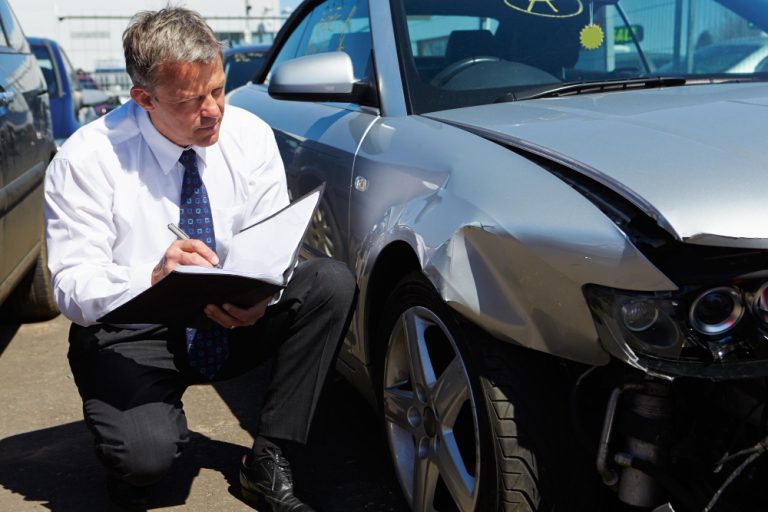
Alcohol and drugs can affect a driver’s perception, coordination, judgment, and reaction time. Impairment evidence alone, however, does not establish civil liability. The evidence must also show that the driver’s negligent or wrongful conduct caused the collision and the resulting injuries.
An impaired-driving claim may involve evidence that is not present in a routine collision case, including chemical-test results, a test refusal, officer observations, field sobriety testing, body-camera or dash-camera footage, 911 recordings, surveillance footage, witness accounts, and evidence of the driver’s conduct before the crash. When a licensed seller supplies alcohol, the Illinois Dram Shop Act may create a separate statutory claim. That Act applies to alcoholic liquor, not drug-only impairment.
The criminal prosecution and the civil claim serve different purposes. The State controls the criminal prosecution. The injured person controls the civil claim. Evidence from the criminal proceeding may be relevant, but the criminal outcome does not determine every issue of civil liability or the full extent of the injured person’s damages.
The State’s Attorney prosecutes the driver for alleged violations of Illinois law. The prosecutor represents the State, not the injured person as private civil counsel. If a driver is convicted under Section 11-501 and the offense caused personal injury or property damage, Illinois law requires the criminal court to order restitution. Restitution can address qualifying out-of-pocket expenses, losses, and injuries, but it cannot include pain and suffering. A restitution order does not prevent the injured person from bringing a civil claim for other or unpaid damages.
A civil claim seeks compensation from the parties legally responsible for the collision. You may investigate and pursue it while the criminal case is pending, although the criminal proceeding can sometimes affect the timing or availability of evidence. A DUI conviction is not required.
In a civil case, the plaintiff generally must prove the necessary propositions are more probably true than not true. The State must prove a criminal charge beyond a reasonable doubt. Importantly, an injured person does not necessarily have to prove DUI to establish civil liability. Evidence that the driver operated the vehicle negligently and caused the crash may support a claim even when impairment cannot be proved to the criminal standard.

Drunk and impaired driving accidents can affect anyone on the road. LeFante Law Offices represents:
Illinois DUI law covers alcohol, drugs, intoxicating compounds, and combinations of substances. A driver’s legal right to use a prescription medication does not provide a defense if the medication rendered the driver incapable of driving safely. That does not mean every medication-related crash constitutes DUI; evidence must establish the medication’s effect on the driver. The Illinois Dram Shop Act applies only to alcoholic liquor.
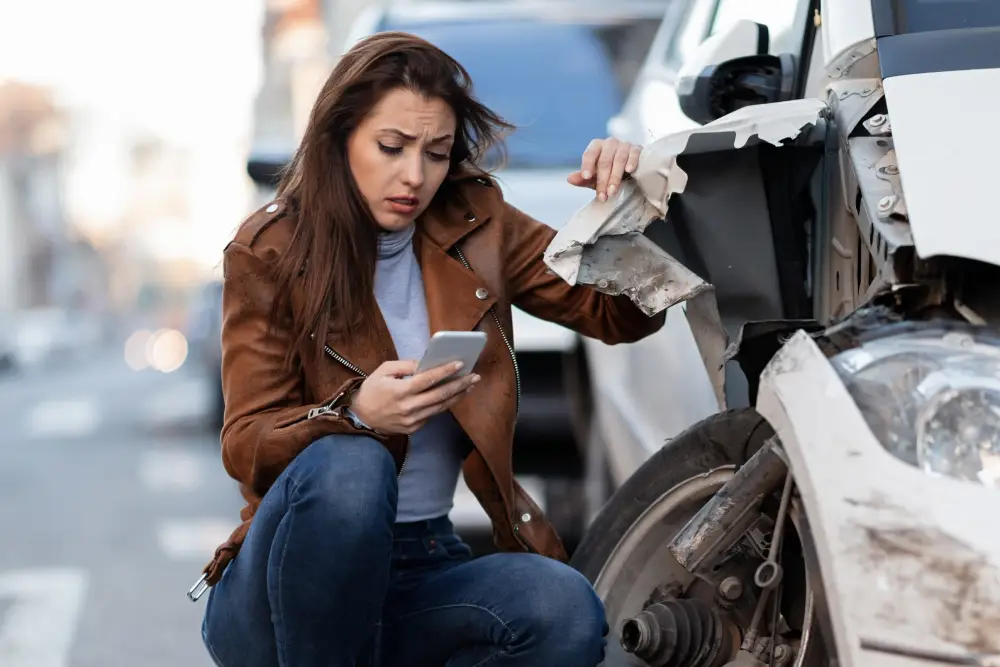
An arrest or citation is an allegation, not a finding of civil liability. Chemical-test results, a test refusal, officer observations, field sobriety testing, video, witness statements, and a plea or conviction may all be relevant. A DUI conviction may support evidence of impairment, but it does not automatically prove that the driver caused the collision. The admissibility and weight of criminal-case evidence depend on the circumstances. LeFante Law Offices can obtain relevant records and evaluate them alongside the physical, medical, and witness evidence related to the crash.
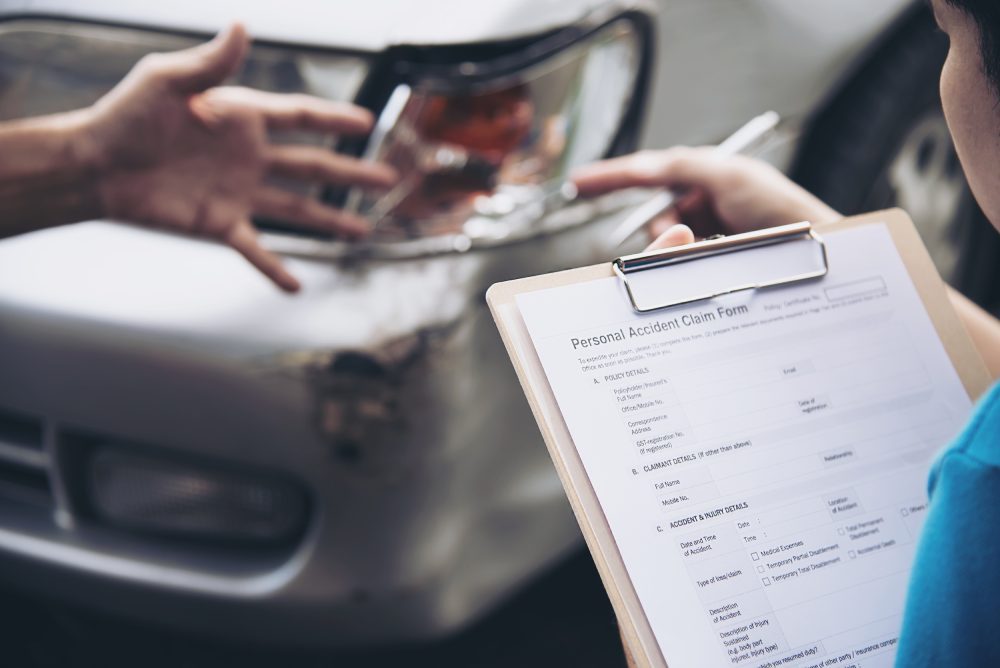
The driver is usually the first potential defendant, but additional liability claims or insurance sources may exist depending on the facts.
The drunk or impaired driver. A driver may be legally responsible when negligent or willful and wanton conduct causes a collision. The driver’s liability insurer will ordinarily handle a covered claim, subject to the policy’s terms and limits. Insurance coverage does not itself determine fault or the full extent of the driver’s legal liability.
A licensed alcohol seller. Under the Illinois Dram Shop Act (235 ILCS 5/6-21), a person injured in Illinois by an intoxicated person may have a claim against a licensed seller that caused the intoxication by selling or giving the person alcoholic liquor. The statute does not require the claimant to prove “over-serving” in the ordinary negligence sense. The relevant questions include whether alcohol from the seller caused the intoxication and whether the intoxication caused the injury.
A premises owner or hotel or motel room purchaser. The Dram Shop Act also addresses premises owners who knowingly permit alcohol sales and adults who pay for a hotel or motel room knowing it will be used by someone under 21 for unlawful drinking. These provisions apply only when their specific statutory requirements are met.
An adult who supplies alcohol or illegal drugs to someone under 18. A separate Illinois statute may impose liability when a person aged 18 or older willfully supplies alcohol or illegal drugs to someone under 18, or willfully permits consumption on premises the adult owns or controls, and causes or contributes to impairment that results in injury. This is different from an ordinary Dram Shop Act claim and generally has a two-year filing period.
An employer or vehicle owner. An employer may be liable when the driver was acting within the scope of employment. A vehicle owner may be liable when the facts support an independent legal theory such as negligent entrustment or agency. Ownership alone should not be presented as automatic liability.
Uninsured or underinsured motorist coverage. If the responsible driver has no liability insurance or insufficient limits, UM or UIM coverage under a policy protecting the injured person may apply. That coverage is a possible payment source, not a party that caused the collision, and remains subject to the policy’s terms.
A Dram Shop Act action is barred unless commenced within one year after the claim accrues. For final judgments or settlements on or after January 20, 2026, the statutory limit is $90,411.55 for injury to the person or property of each person incurring damages. The aggregate limit for either loss of means of support or loss of society is $110,503. These limits change annually, and the amount in effect when the final judgment or settlement is entered applies. The Dram Shop limits do not necessarily limit a separate negligence claim against the driver.

A proper investigation should address impairment, crash causation, damages, potentially responsible parties, and insurance coverage. Relevant evidence may include:
Police reports and field sobriety or breath test results. An officer’s observations at the scene, along with any sobriety testing, often provide some of the strongest evidence of impairment.
Witness statements. People who saw the driver before the crash, whether the driver was driving erratically or leaving a bar or restaurant, can help establish what happened.
Surveillance and bar footage, when available. Video from a nearby business or establishment where the driver was served can disappear quickly, so preserving it early is important.
Insurance adjusters handling drunk driving claims sometimes still dispute fault or the extent of your injuries, even when the other driver was clearly impaired. James P. LeFante’s background as a former insurance defense attorney means he recognizes these tactics, having seen them used from the other side.
The firm prepares every drunk driving accident case as though it may go to trial, an approach that can encourage insurance companies and other responsible parties to negotiate more seriously from the start.

An impaired-driving crash can cause the same range of injuries as other motor-vehicle collisions. The nature and severity of the injuries depend on the forces involved and the circumstances of the crash. Common collision injuries include:
If your injury involves a brain or spinal cord injury, our Illinois brain injury attorneys can walk you through what that means specifically for your claim. If a drunk driving accident took the life of someone you love, our Illinois wrongful death attorneys can talk with you about a wrongful death claim.

After any serious collision, call 911, obtain necessary medical attention, photograph the scene when it is safe to do so, exchange information, and identify witnesses. You can find that guidance on our Illinois car accident page.
What is different in a drunk driving case is making sure signs of impairment are documented. If you suspect the other driver was impaired and the responding officer does not seem to be treating it that way, it can help to say so directly, for example, mentioning the smell of alcohol or that the driver was driving erratically before the crash. Field sobriety test results, breath test results, and the officer’s own observations often become important evidence later.
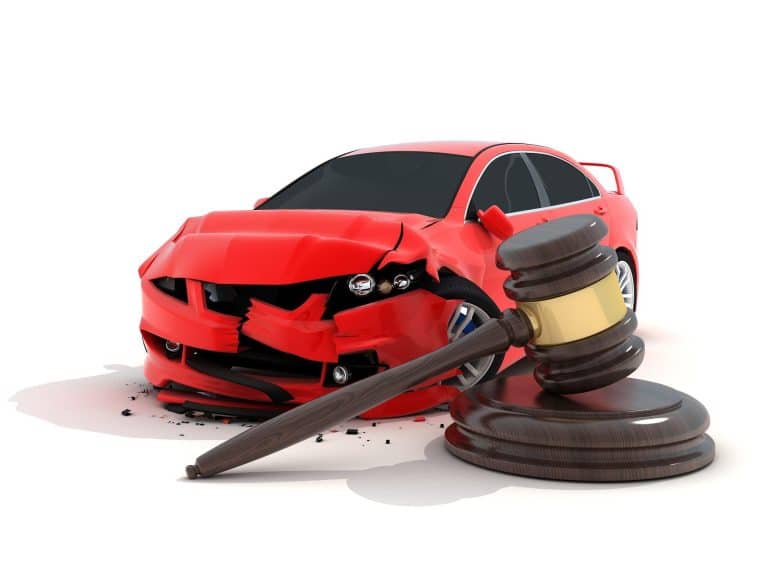
If you were injured by a drunk or impaired driver, you may be able to recover compensation for:
Punitive damages are not compensation for the injured person’s losses. Their purpose is to punish and deter especially wrongful conduct. They may be available against an impaired driver when the evidence supports willful and wanton conduct, but they are not automatic merely because the driver was arrested for or convicted of DUI. In qualifying bodily-injury and property-damage negligence cases, Illinois generally requires the plaintiff to obtain court permission before adding a punitive-damages request. This discussion concerns a potential claim against the driver and should not imply that punitive damages are available as part of a capped Dram Shop Act claim.
Past results do not guarantee a similar outcome, and the value of any claim depends on the specific facts of your case.
Several factors typically shape what a drunk driving accident claim is worth.
Fault and causation. The evidence must establish how the collision occurred and connect the responsible party’s conduct to the injuries. Proof of impairment does not replace proof of causation.
The nature and extent of the injuries. Medical treatment, prognosis, future care, disability, employment effects, and the effect on the person’s daily life can all influence damages.
The evidence of impairment and the driver’s conduct. Chemical-test results, observations, video, prior conduct immediately before the collision, and other evidence may affect the evaluation of a possible willful-and-wanton or punitive-damages claim.
Whether a statutory or other third-party claim exists. A viable Dram Shop Act, impaired-minor, employer, negligent-entrustment, or other claim may affect the parties and sources of recovery. Each theory has its own elements, defenses, and deadlines.
Comparative fault. In the negligence claim against the driver, the injured person’s damages may be reduced if the evidence establishes partial fault. Different statutory rules can apply to other claims.
Insurance and collectible assets. Policy limits may cap what a particular insurer must pay under its policy, but they do not necessarily cap the defendant’s legal liability. Practical recovery can depend on all applicable policies, viable claims, and collectible assets.

Drunk driving accidents involve their own legal and evidentiary issues, but they are one part of a much broader car accident practice at LeFante Law Offices. If your accident did not involve an impaired driver, the firm’s Illinois car accident attorneys can still help. The same approach applies across all types of Illinois car accident claims: identify every source of compensation and prepare every case as though it may go to trial.

Former Insurance Defense Experience. Founding attorney James P. LeFante spent years representing insurance companies before switching sides to represent injured people. That experience shapes how the firm approaches every drunk driving claim, including any attempt to dispute fault or minimize your injuries.
Experience With Dram Shop and Third-Party Claims. In addition to pursuing a claim against the driver, the firm evaluates whether the evidence supports a Dram Shop Act claim or another claim against a legally responsible party.
No Fee Unless We Win. You pay nothing upfront, and legal fees only come out of money the firm recovers on your behalf.
Post-Settlement Advocacy. When appropriate, LeFante Law Offices works with medical providers and lienholders after a recovery to reduce outstanding bills and liens. The outcome of those negotiations depends on the circumstances.
LeFante Law Offices has recovered tens of millions of dollars for injured clients throughout Illinois, with 135+ five-star Google reviews from past clients. Past results do not guarantee a similar outcome in any future case.
Drunk drivers often carry minimal insurance or none at all, which makes this coverage especially relevant in DUI cases.
Some impaired drivers flee the scene rather than face the consequences of being caught.
An impaired driver who drifts out of their lane can cross into oncoming traffic.
Evidence in a drunk driving case can disappear quickly. Surveillance footage gets recorded over, witnesses’ memories fade, and blood alcohol evidence needs to be preserved and obtained properly. The sooner our drunk driving and DUI accident attorneys can begin investigating, the stronger your case is likely to be.
When you call, it helps to have a few things ready: photos from the accident scene, your medical records, the police report if you have it, and any information about the driver’s citation or arrest. Our attorneys will review your case, explain your options, and help you understand what to expect.
Call LeFante Law Offices, P.C. today at (309) 999-1111, or request your free case review online, to talk with an attorney about what happened. There is no fee unless we win.
LeFante Law Offices, P.C. – Peoria 456 Fulton Street, Suite 410, Peoria, IL 61602 (309) 999-1111
LeFante Law Offices, P.C. – Bloomington 121 N Main St, Suite 210, Bloomington, IL 61701 (309) 869-8309
Yes. You do not need a DUI conviction to bring a civil claim. An arrest, dismissal, reduced charge, or acquittal does not by itself decide civil liability. The injured person must prove that the driver’s negligent or wrongful conduct caused the collision and resulting damages under the civil standard of proof. Any criminal restitution is separate from, and does not replace, the civil claim.
In some circumstances, yes. The Illinois Dram Shop Act may allow a claim against a licensed seller that caused the person’s intoxication by selling or giving alcoholic liquor when that intoxication caused the injury. Merely showing that the person visited the establishment is not enough. You generally must file the claim within one year of accrual, and statutory recovery caps apply. The Dram Shop Act applies to alcoholic liquor, not drug-only impairment.
You may still have options. UM coverage under a policy protecting you may apply if the responsible driver was uninsured. UIM coverage may apply if the driver’s limits were insufficient, subject to the policy’s terms. A viable Dram Shop Act or other third-party claim may provide another potential source of recovery when its separate legal requirements are met.
You can generally still recover compensation. Illinois follows a modified comparative negligence rule, meaning that as long as you are not found more than fifty percent at fault, you can still pursue a claim, though your compensation may be reduced by your share of fault.
Generally, you have two years from the date of the accident to file a personal injury lawsuit in Illinois. However, important exceptions apply. A Dram Shop Act action generally must be commenced within one year of accrual. Claims against a local public entity or employee may also have a one-year deadline, while a claim under the Drug or Alcohol Impaired Minor Responsibility Act generally has a two-year deadline. A pending criminal prosecution or insurance negotiation does not automatically stop these periods from running.
You pay nothing upfront. LeFante Law Offices uses a contingency-fee arrangement, so no attorney fee is charged unless the firm recovers compensation for you. The fee is calculated as stated in the written agreement.